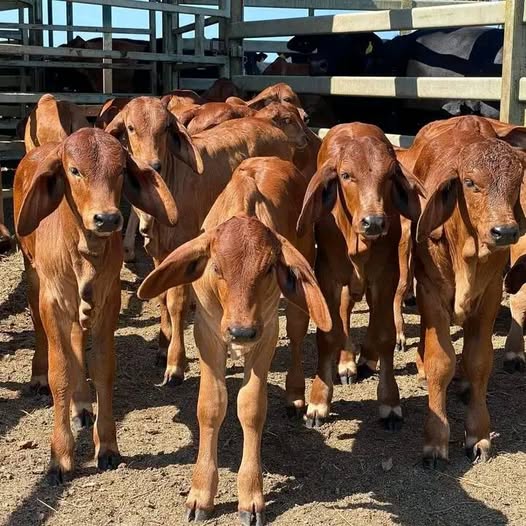
Jersey cows
The Jersey cow is a popular breed of dairy cow, well-known for high butterfat content of its milk and a genial disposition.
Description
Jersey Cows for Export – High-Yield Dairy Breed
To begin with, the Jersey cows for export from Farm. Trade Global are among the most efficient dairy cattle breeds in the world. Known for producing milk rich in butterfat and protein. Jersey cows are a top choice for cheese, butter, and premium dairy products. More so, Farmers prefer them for their feed efficiency, adaptability to various climates, and calm temperament, making them ideal for small-scale and commercial dairy operations.
Understanding the Jersey Breed
-
Color: Light brown, fawn, or golden coat with a white face marking
-
Average Weight: Cows weigh 360–500 kg, bulls range from 600–800 kg
-
Milk Yield: Up to 4,000–6,000 liters annually with exceptional butterfat content
-
Temperament: Gentle, easy to handle, and suitable for pasture-based systems
Why Farmers Choose Jersey Cows
High Butterfat Milk – Perfect for cheese and butter production
Efficient Feed Conversion – Lower feed intake compared to larger dairy breeds
Adaptability – Performs well in tropical, temperate, and semi-arid climates
Strong Fertility and Longevity – Consistent reproduction and extended productive life
Low Maintenance – Smaller size reduces housing and feeding costs
Our Export Services for Jersey Cattle
Secondly, At Farm Trade Global, we specialize in exporting healthy Jersey cows sourced from top-quality bloodlines. Our services include veterinary health checks, vaccination, certification, and secure transportation by air or sea. We guarantee safe delivery to your destination, whether for breeding or dairy production.
History of the Jersey CowIn conclusion, the Jersey breed originated on the Island of Jersey, a small British island in the English Channel off the coast of France. The breed was known in England as early as 1771 and was regarded very favourably because of its milk and butterfat production. At that early date, the cattle of Jersey island were commonly referred to as Alderney cattle although the cattle of this island were later referred to only as Jerseys. In the end Jersey cattle were first introduced to the United States in the 1850’s.
Reviews
There are no reviews yet.
Related products