Jamunapari Goats
Jamnapari, Jamunapari or Jumnapari is an Indian breed of domestic goat originating in the Braj region of Uttar Pradesh. It has been exported to Indonesia, where it is known as the Etawah. It is bred for both milk and meat. The name is derived from the Yamuna river.
Description
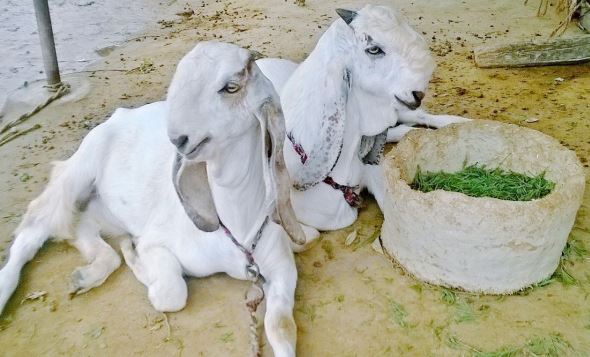
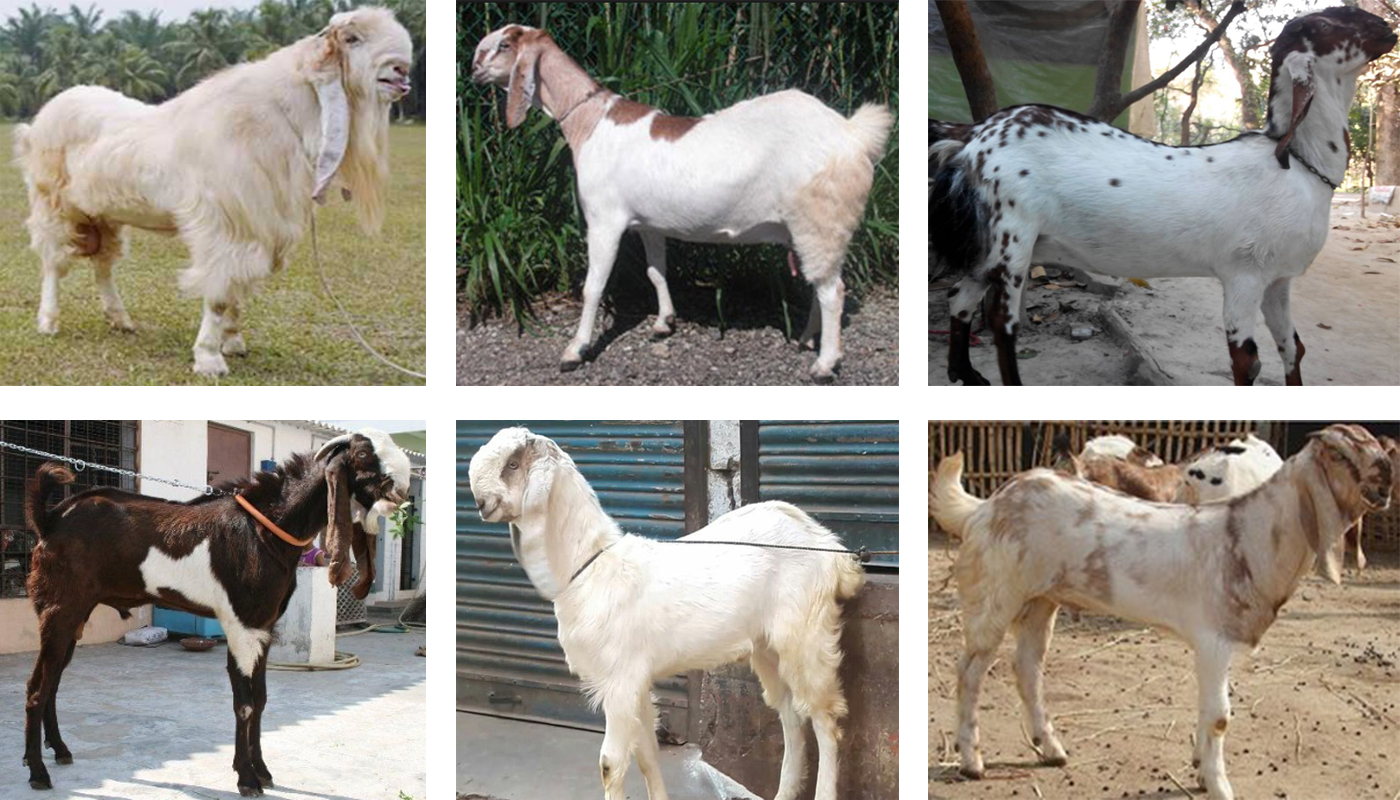
The Jamunapari goat, originating from the Etawah region in Uttar Pradesh, is truly outstanding and one of the most exceptional goat breeds in India. Their obvious genuine parts, which include a contorted nose (often referred to as a “Roman nose”), long and pendulous ears, and an overall udder in females, render them truly unquestionable. Jamunapari goats are generally white or light brown with patches, and their long, strong legs make them fitting for brushing over the goliath.
High Milk Yield and Meat Creation
One of the primary factors contributing to the fame of Jamunapari goats among farmers is their exceptional milk production. One of Jamunapari doe can produce 2 to 3 liters of milk daily, which is rich in fat content and fundamentally nutritious. This provides them with an unparalleled option for dairy development, particularly in areas where access to cow or buffalo milk is limited. This provides them with an unparalleled option for dairy development, particularly in areas where access to cow or buffalo milk is limited.
Despite producing milk, Jamunapari goats are highly valued for their delicate and delicious meat. The variety of Jamunapari goats is renowned for its rapid growth rate, resulting in kids reaching impressive weights in a relatively short time. This twofold explanation of the Jamunapari goat’s nature concludes that it is a financially beneficial choice for farmers who need to diversify their revenue streams. This twofold explanation of the Jamunapari goat’s nature concludes that it is a financially beneficial choice for farmers who need to diversify their revenue streams.
Adaptability and Strength
Another huge advantage of Jamunapari goats is their ability to adapt to various common conditions. These goats are incredibly resilient and can thrive in both warm and cold climates, making them an ideal choice for various land regions across India. Their capacity to consume a diverse range of plants, such as shrubs and rough grasses, permits their cultivation in areas where other animals might struggle.
Their generosity is accompanied by a low-support decision, which is particularly significant for limited scope and small farmers who may not be inclined to adopt state-of-the-art veterinary thought. Their generosity is accompanied by a low-support decision, which is particularly significant for limited scope and small farmers who may not be inclined to adopt state-of-the-art veterinary thought.
Reviews
There are no reviews yet.
Related products